

To succeed in Forex trading, having a solid framework is crucial. In this article, we will explore professional guidelines for building a Forex trading framework, helping traders at all levels refine their strategies and improve their overall trading performance. Whether you are a novice seeking to learn the ropes or an experienced trader looking to optimize your approach, these guidelines will be invaluable on your trading journey. For further insights and resources, visit forex trading framework professional guidelines forex-level.com.
Understanding Forex Trading Framework
Forex trading framework refers to the structured approach that traders use to analyze the market, develop strategies, and make informed trading decisions. A well-established framework encompasses various elements, including risk management, technical and fundamental analysis, trade execution, and performance evaluation.
The Importance of a Trading Framework
Having a consistent framework in place is essential for several reasons:
- Minimizes Emotional Trading: A structured approach can help reduce impulsive decisions driven by emotions, which often lead to losses.
- Improves Decision-Making: A clear framework provides guidelines that enhance the decision-making process, allowing traders to act based on analysis rather than speculation.
- Facilitates Learning: By documenting the trading process and outcomes, traders can review their strategies, learn from mistakes, and refine their approach over time.
Key Components of a Forex Trading Framework
A comprehensive Forex trading framework should include the following components:
1. Market Analysis
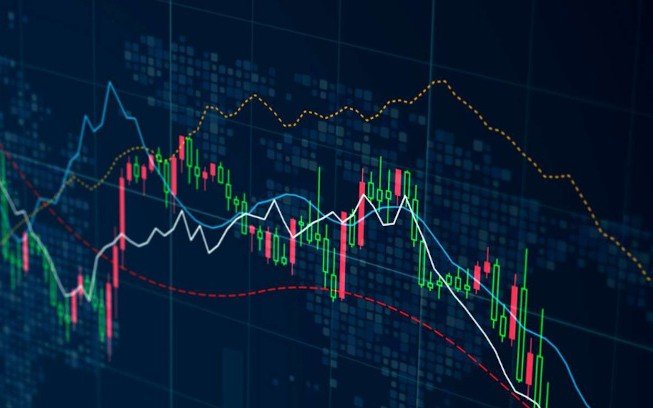
Market analysis is the foundation of any trading strategy. Traders utilize both fundamental and technical analysis to evaluate market conditions and predict future price movements.
Fundamental Analysis: This involves assessing economic indicators, interest rates, geopolitical events, and news releases that impact currency values.
Technical Analysis: Traders use charts, patterns, and technical indicators to analyze past price movements and identify trends.
2. Trading Strategy Development
Once the market is analyzed, developing a trading strategy is critical. This involves determining entry and exit points, setting stop-loss and take-profit levels, and defining the risk-to-reward ratio. A solid strategy should be based on backtesting to ensure its viability in different market conditions.
3. Risk Management
Risk management is a vital element of successful trading. Traders should determine how much capital to risk on each trade and establish rules to manage overall exposure. Some common risk management techniques include:
- Position Sizing: Determining the appropriate size of each trade based on account equity and risk tolerance.
- Stop-Loss Orders: Setting predefined levels to exit trades that go against the expected direction.
- Diversification: Spreading risk across different currency pairs rather than concentrating on one.
4. Trading Psychology
Human psychology plays a significant role in trading performance. Understanding common psychological traps, such as fear and greed, can help traders maintain discipline and stick to their trading plan. Techniques such as mindfulness and meditation can enhance emotional regulation during periods of market volatility.
5. Trade Execution
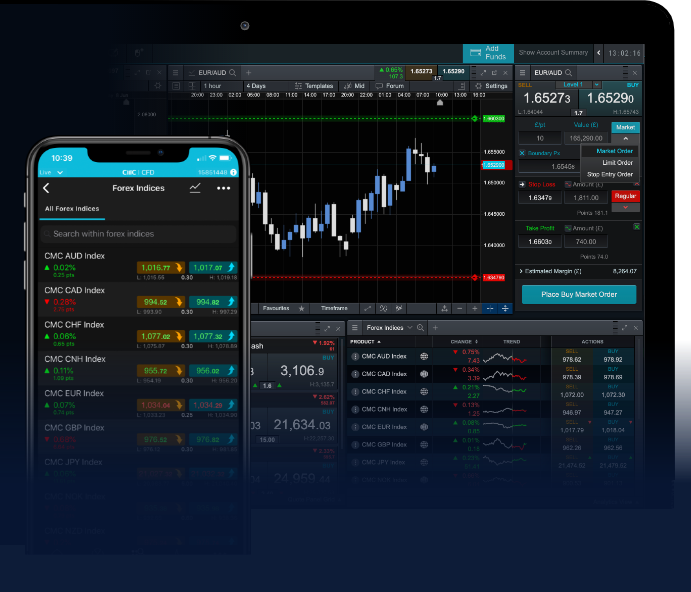
Efficient trade execution is crucial in Forex trading. Traders should be familiar with different execution types, such as market orders, limit orders, and stop orders. Choosing an appropriate execution method based on market conditions can impact trade outcomes significantly.
6. Performance Evaluation
Regularly evaluating trade performance allows traders to identify strengths and weaknesses in their approach. Keeping a trading journal that captures trade details, including reasons for entry and exit, helps in refining strategies and improving future performance.
Building Your Forex Trading Framework
To create an effective Forex trading framework, consider the following steps:
- Define Your Goals: Clearly outline your trading objectives, including profitability targets, risk tolerance, and time commitment.
- Select Your Trading Style: Choose a trading style that aligns with your personality, whether it’s day trading, swing trading, or long-term investing.
- Develop Your Strategy: Using the analysis techniques discussed, create a strategy that includes trade setups, risk management rules, and performance benchmarks.
- Test Your Framework: Backtest your strategy using historical data to assess its effectiveness. Additionally, consider paper trading in a demo account to refine your approach without risking real capital.
- Implement and Adjust: Once you are comfortable with your framework, start live trading with real capital. Continuously monitor and adjust your framework as market conditions evolve.
Conclusion
Establishing a robust Forex trading framework is essential for traders aiming for long-term success in the foreign exchange market. By combining thorough market analysis, well-defined strategies, effective risk management, and ongoing performance evaluation, traders can improve their decision-making processes and ultimately enhance profitability. Remember, the key to success in Forex trading lies in consistency, discipline, and continuous learning.